Discover Zion's West Rim Trail: Your Gateway to Unforgettable Views
Zion National Park is a sanctuary of towering sandstone cliffs, emerald pools, and hanging gardens. While icons like Angels Landing and The Narrows draw countless visitors to the main canyon, true adventurers know that some of Zion's most breathtaking panoramas lie just beyond the well-trodden paths. Enter the west rim trail in Zion National Park – a spectacular journey that promises unparalleled vistas and a deep dive into the park's diverse wilderness, often with fewer crowds. If you’re seeking an extraordinary Zion experience that takes you high above the canyon floor, offering expansive views that literally stretch for miles, the West Rim Trail is your ultimate destination.
Often hailed as one of Zion's most rewarding hikes, the West Rim Trail presents a unique perspective, traversing high-elevation ridges that gaze down into lesser-seen wonders like Phantom Valley, Imlay Canyon, and Great West Canyon. Whether you're planning an ambitious multi-day backpacking trip or an invigorating day hike, this trail offers a remarkable blend of accessibility and remote wilderness beauty.
Why the West Rim Trail Offers Unparalleled Zion Views
Imagine standing atop a vast plateau, with sweeping vistas unfolding in every direction. That's the core promise of the west rim trail in Zion National Park. Unlike many hikes that keep you nestled within the confines of a canyon, the West Rim Trail elevates you to the park's highest maintained viewpoints. This top-down approach, typically starting from Lava Point and descending towards The Grotto, provides a near-continuous visual feast.
The trail carves its way across two distinct high-elevation ridges. From these lofty perches, hikers are treated to truly monumental panoramas that capture the sheer scale and geological grandeur of Zion. You'll peer deep into dramatic canyons – Phantom Valley, Imlay Canyon, and Great West Canyon – witnessing formations that are less visible from the main canyon floor. The experience is often described as feeling like you're on the edge of the world, offering a sense of vastness and solitude that can be hard to find in Zion's more popular areas.
What truly sets the West Rim Trail apart is its incredible "reward per unit of effort" ratio. For a trail that delivers such magnificent, continuous views, it's surprisingly accessible in many sections. The path is often wide and composed of hard-packed dirt, relatively flat for significant stretches, particularly in its higher reaches. This makes it an excellent choice for a wide range of hikers, from families seeking an invigorating morning walk to seasoned backpackers embarking on an epic traverse. It’s truly an experience that provides a profound sense of Zion's immense beauty from a perspective that few visitors get to appreciate.
Planning Your Adventure: Day Hike or Backpacking?
The versatility of the west rim trail in Zion National Park means it can be tailored to various hiking styles and time commitments. Your choice between a day hike and a multi-day backpacking adventure will largely depend on your desired challenge, available time, and logistical considerations.
Day Hiking the West Rim Trail
- Out-and-Back from Lava Point: For those seeking a rewarding day hike without complex logistics, starting from Lava Point Trailhead and completing an out-and-back journey is an excellent option. The initial miles traverse the high-elevation forest of ponderosa pine on the Horse Pasture Plateau, offering easy going terrain and the first of many breathtaking viewpoints looking down into Left Fork Canyon with South Guardian Angel in the distance. This segment is particularly family-friendly and provides a fantastic taste of the West Rim's unique beauty.
- Point-to-Point to The Grotto: For a more ambitious day hike, the full point-to-point route from Lava Point to The Grotto is roughly 16 miles. This option demands significant endurance and requires careful shuttle planning to get to the trailhead and pick you up at the end. While challenging, it offers the complete West Rim experience, culminating near the iconic Angels Landing.
Backpacking the West Rim Trail
For an immersive experience, backpacking the west rim trail in Zion National Park over two days is highly recommended. This 16-mile point-to-point journey allows for a more leisurely pace, giving you ample time to soak in the views, enjoy the remote wilderness, and even stargaze from a designated campsite along the ridge. It's often considered a fantastic option for beginner backpackers due to its generally well-maintained path and manageable elevation changes when going top-down. For a more in-depth look at this option, be sure to read our Hike Zion's West Rim Trail: A Beginner-Friendly Backpacking Guide.
Remember that all overnight stays in Zion's wilderness require a permit, which must be secured in advance, especially during peak seasons. Availability can be competitive, so planning ahead is crucial.
Best Time to Visit
The West Rim Trail, particularly its higher elevations, is one of the last trails in Zion to clear of snow in the spring. The junction of Wildcat Canyon and West Rim marks the highest point of the Zion Traverse at 7,450 feet, making it susceptible to snow well into late spring. While early attempts in March might be thwarted by lingering snow, by late May, conditions are often perfect. This late spring to early fall window (May-October) generally offers the most favorable weather, though summer months can be hot, especially during the descent into the canyon.
Navigating the Diverse Landscapes of the West Rim
The journey along the west rim trail in Zion National Park is a fascinating exploration of diverse ecosystems, transitioning from high-altitude forests to classic canyon desertscapes.
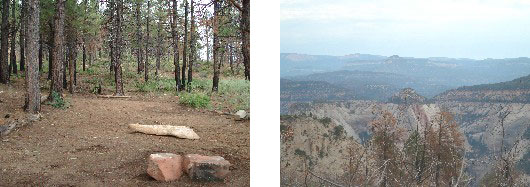
The initial segment from Lava Point trailhead introduces you to the tranquil, high-elevation forest of ponderosa pine that blankets the Horse Pasture Plateau. This serene environment, characterized by its reddish bark and fragrant needles, feels distinct from the arid landscapes typically associated with Zion. As you progress, the trees periodically open up, revealing the first tantalizing glimpses into the Left Fork Canyon and the majestic South Guardian Angel in the distance. This remote beginning, dotted with ponderosas, sagebrush, and yucca, makes you feel like you're truly stepping into Zion's wild heart, far from the bustling crowds.
As the trail continues past these initial lookouts, it begins its gradual descent into Potato Hollow. Here, the trail surface can change, with more chipped rocks appearing underfoot. The sweeping, panoramic canyon views temporarily recede, replaced by the lush, verdant beauty of grasses and aspen groves. This section offers a refreshing change of scenery, showcasing Zion's lesser-known, softer side.
Water Sources: Hydration is paramount on any Zion hike, and the West Rim is no exception. While Sawmill Spring (near West Rim Campsite 9) can be dry, Potato Hollow Spring (near West Rim Campsite 8) is often a reliable water source, flowing like a small creek. Even with known water sources, always carry sufficient water for your planned trip, as conditions can vary.
The final miles of the West Rim Trail are perhaps the most dramatic, as the path descends more steeply into Zion Canyon proper. The expansive ridge-line views give way to increasingly intimate and awe-inspiring perspectives of the main canyon walls. This section gradually becomes busier as you approach the junction for Angels Landing, culminating your remote adventure near one of Zion's most famous landmarks. It’s a remarkable transition from serene wilderness to the vibrant heart of the park, offering a complete and unforgettable experience.
Essential Tips for Your West Rim Journey
- Hydration is Key: Always carry more water than you think you'll need, especially during warmer months. Water sources along the trail can be seasonal or dry.
- Shuttle Logistics: For any point-to-point hike (Lava Point to Grotto), arrange your shuttle in advance. Private shuttle services operate in Zion, or you can plan a personal car shuttle with multiple vehicles. Lava Point Road (Kolob Terrace Road) closes due to snow in winter, so check road conditions.
- Permits: Backpacking on the West Rim Trail requires a wilderness permit. Secure these well in advance through the Zion National Park website. Day hikers do not need a permit for the West Rim, but an entrance fee to Zion National Park is always required.
- Weather Preparedness: Due to the high elevation, weather conditions can change rapidly. Be prepared for sun exposure, potential afternoon thunderstorms, and cooler temperatures, especially in spring and fall.
- Leave No Trace: Pack out everything you pack in. Stay on designated trails, respect wildlife, and minimize your impact on this pristine wilderness.
- Navigation: While the trail is generally well-marked, carrying a physical map and a GPS device or app is always recommended.
For more detailed insights into the stunning scenery and logistical considerations, check out our comprehensive article: Zion West Rim Trail: Panoramic Views & Remote Wilderness Hiking.
Conclusion
The west rim trail in Zion National Park is more than just a hike; it's an immersive journey into the heart of one of America's most beloved national parks, offering perspectives rarely seen by the average visitor. From its high-elevation pine forests to its dramatic descent into the iconic red rock canyons, this trail provides an unparalleled sense of adventure, solitude, and breathtaking beauty. Whether you choose to tackle it as a challenging day hike or a leisurely backpacking trip, the West Rim Trail promises a profound connection with Zion's wild side, leaving you with memories of sweeping vistas and an experience that truly transcends the ordinary. Lace up your boots, plan your trip, and prepare to discover the majesty of Zion from a whole new elevation.
