Hike Zion's West Rim Trail: A Beginner-Friendly Backpacking Guide
Zion National Park is synonymous with breathtaking canyons and iconic trails. While many visitors flock to the popular, often crowded, paths within Zion Canyon proper, an equally spectacular and arguably more serene experience awaits on the west rim trail in zion national park. Often hailed as one of Zion’s most rewarding trails for its unparalleled views and manageable difficulty, the West Rim Trail offers an ideal introduction to backpacking for beginners, while still captivating seasoned adventurers with its remote beauty.
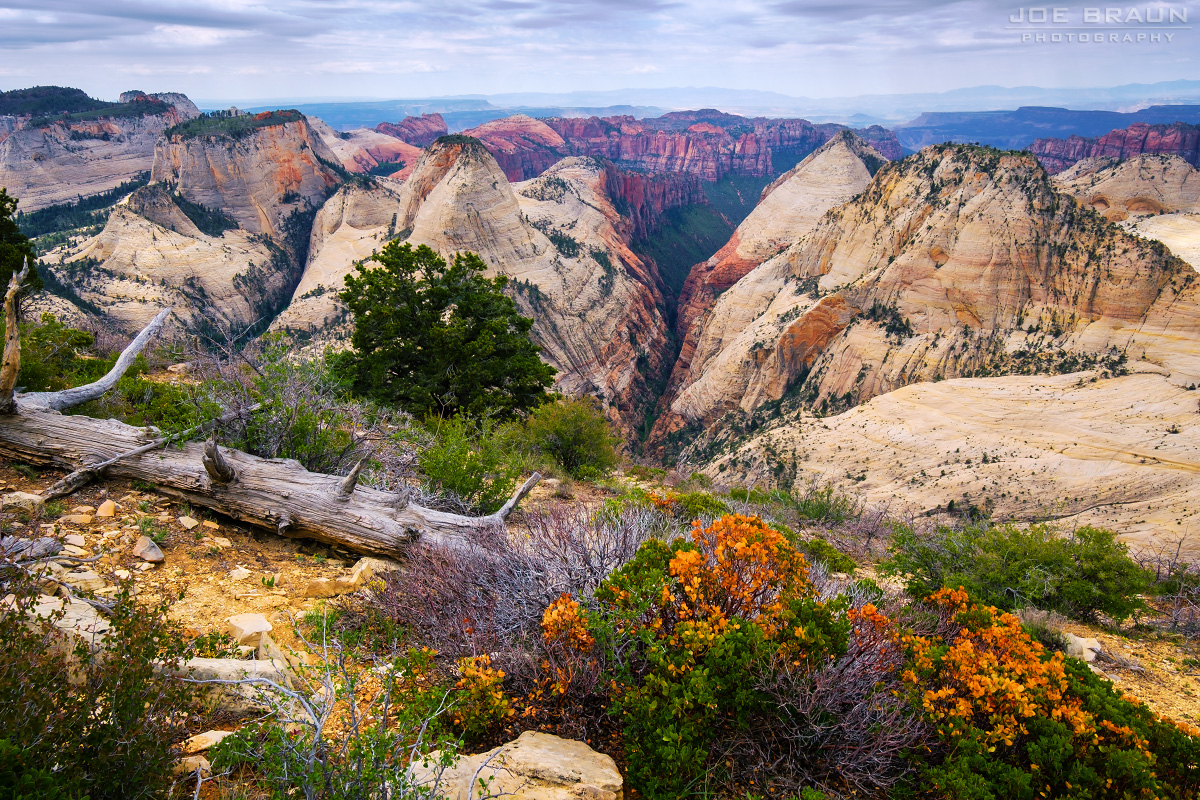
Imagine spending a night under a canopy of stars on a high-elevation ridge, waking to panoramic vistas stretching deep into Phantom Valley, Imlay Canyon, and the Great West Canyon. This isn't a dream; it's the reality of backpacking the West Rim Trail. This 16-mile point-to-point journey, typically done top-down from Lava Point to the Grotto, traverses diverse landscapes, offering continuous sweeping views and a sense of wilderness often missing from more frequented areas.
Why the West Rim Trail is Your Perfect Zion Backpacking Introduction
The allure of the west rim trail in zion national park lies in its remarkable balance of effort and reward. For those new to backpacking, or even families looking for an extended day hike, its relatively gentle characteristics make it highly accessible. Unlike some of Zion's more notoriously steep and exposed trails, the West Rim largely features wide, hard-packed dirt paths that are reasonably flat for significant stretches, particularly in its upper reaches. This combination minimizes strenuous ascents and technical challenges, allowing hikers to focus on soaking in the breathtaking scenery.
Many experienced hikers rank the West Rim Trail among the best for its "reward per unit of effort." This isn't to say it's without challenge, but the payoff of continuous, expansive views from high-elevation ridges is simply unmatched. You'll witness Zion's dramatic geological formations unfold before you, from distant canyons to the majestic South Guardian Angel, without the grueling climbs often associated with such vistas. It’s a truly unique experience that offers a different perspective of Zion than what most visitors ever see.
Mastering the Logistics: Planning Your West Rim Adventure
A successful backpacking trip on the West Rim Trail requires careful planning, especially if you're tackling it as a beginner. Here’s what you need to know:
Route Options: Point-to-Point vs. Out-and-Back
- Top-Down Backpacking (Lava Point to Grotto): This is the most popular and recommended approach, especially for beginners. Starting at Lava Point (7,450 ft), you'll experience a gradual descent for much of the trail, culminating near the base of Angels Landing and ending at the Grotto in Zion Canyon. This 16-mile journey is typically broken into two days, with an overnight stay at one of the designated backcountry campsites.
- Day Hike (Out-and-Back from Lava Point): For those not ready for an overnight, an out-and-back from Lava Point offers an excellent day trip. You can hike as far as you're comfortable, enjoying the initial easy miles and incredible views before turning back. This is perfect for families or those short on time.
- Point-to-Point Day Hike (with shuttle): If you prefer to cover the full 16 miles in one day, a shuttle service is essential to transport you from the Grotto back to Lava Point. Be aware that this is a long day hike and requires an early start and good fitness.
Best Time to Go & Weather Considerations
The optimal time to hike the west rim trail in zion national park is from late spring (typically late May or early June) through fall. The trail, particularly its upper sections, is one of the last in the park to clear of snow. Our reference trip in late May found perfect conditions, but earlier in March, sections were still impassable due to snow. Always check current trail conditions and weather forecasts before your trip, as conditions can change rapidly in the mountains.
Permits and Backcountry Campsites
If you plan to backpack and stay overnight, a backcountry permit is mandatory. These permits are highly competitive, especially for weekends and holidays. Reservations for backpacking permits are typically released months in advance on the Zion National Park website. There are nine designated campsites along the West Rim Trail (West Rim Campsites 1-9), each offering a unique vantage point. Campsite 9 is closest to Lava Point, while Campsite 1 is closest to the Grotto. Securing a permit for a specific campsite is crucial for your itinerary.
Water Sources
Water is a critical consideration on the West Rim Trail. The primary reliable water source is Potato Hollow Spring, located near West Rim Campsite 8. Unlike some trickling springs, Potato Hollow often flows like a small creek, making refilling easier. Sawmill Spring, near West Rim Campsite 9, can be unreliable and was found to be dry in late May during our reference trip. Always carry a water filter/purifier and sufficient water capacity for your planned mileage. It's always best to carry more water than you think you'll need, especially during warmer months.
A Tapestry of Scenery: What You'll Experience on the Trail
The west rim trail in zion national park is a journey through surprisingly diverse ecosystems, transitioning from high-alpine forests to iconic red rock canyons. The trail truly showcases Zion's incredible geological and ecological variety.
The High Elevation Forest
Your adventure begins atop the Horse Pasture Plateau, where the trail cuts through a serene high-elevation forest. Here, towering Ponderosa pines, sturdy sagebrush, and spiky yucca dominate the landscape – a stark contrast to the desert flora lower in the canyon. This initial two-mile section is particularly easy-going, making for a pleasant start. It's also at the junction of Wildcat Canyon and West Rim that you'll reach the highest point of the Zion Traverse, at 7,450 feet, and the highest point of all maintained trails in Zion National Park.
Sweeping Vistas and Canyon Glimpses
As you progress, the forest periodically opens up, revealing the first of many awe-inspiring viewpoints. You'll find yourself staring down into the dramatic Left Fork canyon, with the majestic South Guardian Angel standing sentinel in the distance. Further along, the continuous sweeping views deep into Phantom Valley, Imlay Canyon, and the Great West Canyon will leave you speechless. These panoramas are the heart of the West Rim's appeal, offering an uninterrupted spectacle of Zion's vast wilderness.
Descent into Potato Hollow
Past the initial lookouts, the trail begins a gentle descent into Potato Hollow. Here, the landscape shifts again, with the sweeping views temporarily giving way to lush grasses and picturesque aspen groves. The trail surface also becomes a bit rockier, though still manageable. This sheltered hollow is where you'll find the reliable Potato Hollow Spring, a welcome oasis for refilling water bottles and connecting with fellow hikers.
The Iconic Approach
The final miles of the West Rim Trail offer a dramatic crescendo. As you continue your descent, the trail becomes increasingly spectacular, guiding you closer to Zion Canyon. You'll eventually reach the famous junction for Angels Landing, a point where the remote wilderness feel begins to blend with the more recognizable, bustling heart of Zion. From here, the final descent to the Grotto is steep but rewarding, offering iconic views of the main canyon walls you’ve been gazing at from above for so long.
Essential Tips for a Seamless West Rim Journey
- Gear Check: Ensure you have appropriate backpacking gear, including a lightweight tent, sleeping bag rated for Zion's often chilly nights, a backpacking stove, food, and a reliable water filter. Don't forget layers of clothing; temperatures can fluctuate significantly from day to night and at different elevations.
- Navigation: Always carry a detailed map of the west rim trail in zion national park and a compass, or a GPS device with downloaded offline maps. While the trail is well-maintained, it's easy to get disoriented in unfamiliar territory.
- Leave No Trace: Practice Leave No Trace principles diligently. Pack out everything you pack in, stay on designated trails, dispose of waste properly, and respect wildlife and natural resources.
- Shuttle Services: If planning a point-to-point hike, arrange shuttle transportation to and from the trailheads well in advance. Several private companies offer shuttle services from Springdale to Lava Point.
- Physical Preparation: Even though it's beginner-friendly, 16 miles over two days with a pack still requires a reasonable level of fitness. Incorporate some long walks or day hikes with a loaded pack into your training regimen.
Conclusion
The West Rim Trail in Zion National Park offers an unparalleled backpacking experience, perfectly blending awe-inspiring vistas with a manageable challenge ideal for beginners. From the serene Ponderosa forests of Horse Pasture Plateau to the dramatic panoramas overlooking vast canyons, and finally, the iconic descent towards Angels Landing, every mile promises a new discovery. This isn't just a hike; it's an immersive journey into the heart of Zion's remote beauty, providing a perspective few visitors ever get to witness. Pack your bags, secure your permit, and prepare to embark on an unforgettable adventure that will solidify your love for the wild landscapes of Zion.
