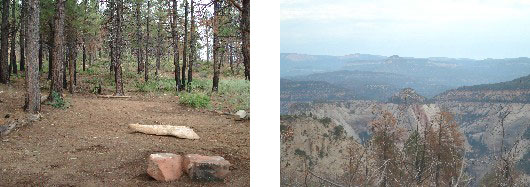
For avid hikers seeking unparalleled vistas and a profound connection with nature, the west rim trail in Zion National Park stands out as an absolute must-do. Often celebrated as one of Zion's most rewarding trails for its effort-to-reward ratio, it offers a stark, yet equally stunning, contrast to the more frequently visited confines of Zion Canyon proper. This comprehensive guide will take you through the splendor, logistics, and essential tips for experiencing the remote wilderness and breathtaking panoramic views that define this iconic route.
Unveiling the Grandeur: What Makes the West Rim Trail Special?
The magic of the west rim trail in Zion National Park lies in its dramatic reveal of Zion’s vast, less-traveled landscapes. Traversing two high-elevation ridges, typically from Lava Point down to the Grotto, hikers are treated to an almost continuous spectacle of sweeping views. Imagine gazing deep into the geological wonders of Phantom Valley, the intricate patterns of Imlay Canyon, and the sprawling expanse of Great West Canyon, all unfurling before your eyes. This top-down approach culminates near the base of the famed Angels Landing, offering a powerful sense of accomplishment.
What truly sets the West Rim apart is its unique vantage point. While many trails in Zion plunge you into the depths of narrow canyons, the West Rim elevates you, providing an expansive, bird's-eye perspective of the park's immense scale. The trail itself is remarkably enjoyable underfoot – often described as relatively wide, hard-packed dirt, and reasonably flat for significant stretches, especially in its initial miles. This combination of ease of access and jaw-dropping scenery makes it an extraordinary experience for hikers of varying skill levels. Many consider it the single best hike to undertake outside of the immediate Zion Canyon area, offering a different, yet equally captivating, facet of the park's beauty. If you're looking for more details on these unparalleled sights, you might enjoy reading Discover Zion's West Rim Trail: Best Views Outside the Canyon.
Navigating the Trail: Routes, Accessibility, and Logistics
The west rim trail in Zion National Park offers flexibility in how you experience it, whether as a challenging point-to-point journey or a more manageable out-and-back day hike.
Route Options: Point-to-Point vs. Out-and-Back
- Point-to-Point (Lava Point to The Grotto): This is the classic 16-mile, top-down experience. Starting at Lava Point Trailhead, which sits at a higher elevation, allows for a predominantly downhill journey. This option requires shuttle planning, as Lava Point is a significant drive from the main canyon and public shuttles do not serve this area directly. You'll need to arrange a private shuttle or a car drop-off/pickup.
- Out-and-Back (from Lava Point): For those without shuttle logistics or preferring a shorter day, hiking out-and-back from Lava Point offers a fantastic taste of the West Rim. The initial miles traverse the high-elevation forest, eventually opening up to breathtaking viewpoints. This section is often described as easy-going and flat, making it an excellent choice for families or those looking for a less strenuous, yet still incredibly scenic, excursion.
Accessibility and Best Time to Hike
Due to its high elevation, the West Rim Trail is one of the last trails in Zion National Park to clear of snow in the spring. The junction of Wildcat Canyon and West Rim marks the highest point of the Zion Traverse at 7,450 feet, making this section particularly susceptible to late-season snow. While an attempt in March might find this area still buried, by late May, conditions are often perfect, as evidenced by recent reports. The ideal windows for hiking the West Rim are typically late spring (May-June) and early fall (September-October), when temperatures are milder and water sources are more reliable. Always check current trail conditions with the National Park Service before planning your trip.
Essential Water Planning
Water is a critical consideration on the West Rim Trail, especially during drier seasons. While there are a few designated springs, their reliability can vary significantly. Sawmill Spring, located near West Rim Campsite 9, has been known to run dry. Potato Hollow Spring, however, is generally more dependable, often flowing like a small creek and serving as a crucial resupply point for many hikers. It’s imperative to carry ample water, potentially more than you anticipate needing, and/or a reliable water filter or purification system. Do not rely solely on the springs being active, as conditions can change rapidly.
A Journey Through Diverse Ecosystems
The west rim trail in Zion National Park isn't just about the grand vistas; it's also a fascinating ecological journey, showcasing the park's diverse environments as you descend from high plateaus into the canyon system.
The initial segment of the trail, particularly the first two miles from Lava Point, guides you through a serene, high-elevation forest blanketing the Horse Pasture Plateau. Here, towering ponderosa pines dominate the landscape, interspersed with sagebrush and yucca – a stark contrast to the iconic red rock scenery most visitors associate with Zion. This section is generally flat and wide, offering a gentle start to your adventure and often shared with early morning trail runners seeking solitude.
As you progress, the terrain gradually shifts. After the initial lookouts that peer down into Left Fork Canyon and toward the distant South Guardian Angel, the trail begins its descent into Potato Hollow. The sweeping panoramic views momentarily recede, replaced by the lushness of grasses and vibrant aspen groves. The trail surface also evolves, with chipped rocks becoming more prevalent as you lose elevation. This transition offers a dynamic hiking experience, moving from cool, shaded forests to more open, arid landscapes, eventually revealing the dramatic red rock formations closer to the main canyon. This remote feel, especially in the earlier sections, allows for a truly immersive wilderness experience, with fewer hikers until you approach the more popular lower sections of the trail.
Tips for a Rewarding West Rim Adventure
Embarking on the west rim trail in Zion National Park requires thoughtful preparation to ensure a safe and enjoyable experience. Whether you choose a day hike or an overnight backpacking trip, these tips will enhance your adventure.
Backpacking vs. Day Hiking
- Backpacking: Completing the 16-mile point-to-point trail over two days makes for a leisurely and highly recommended backpacking trip. It's often cited as an excellent option for beginners due to the relatively consistent trail surface and manageable elevation changes (mostly downhill if starting top-down). However, its stunning beauty ensures even the most experienced backpackers will find it deeply rewarding. Overnight permits are competitive and essential for designated campsites along the trail. For a comprehensive guide on planning an overnight adventure, check out Hike Zion's West Rim Trail: A Beginner-Friendly Backpacking Guide.
- Day Hiking: While challenging due to its length, a fit and well-prepared hiker can tackle the full 16 miles in a day. The crucial factor here is shuttle logistics. Otherwise, an out-and-back from Lava Point offers a fantastic day hike, allowing you to customize your distance based on time and energy.
Permits and Reservations
For any overnight backpacking on the West Rim Trail, a wilderness permit is mandatory. These permits are highly sought after and are typically issued through a lottery system months in advance. Plan your trip early and be diligent in applying for permits. Day hikers do not need a permit unless venturing onto the chained section of Angels Landing.
Essential Gear
- Water and Filtration: As highlighted, water is paramount. Carry at least 3-4 liters per person for a day hike, more for backpacking, and a reliable water filter.
- Appropriate Footwear: Sturdy hiking boots with good ankle support are recommended, especially for the rocky sections and the descent towards the Grotto.
- Layers: Weather in Zion can change quickly, especially at higher elevations. Pack layers, including sun protection (hat, sunglasses, sunscreen) and rain gear.
- Navigation: A map, compass, and/or a reliable GPS device are always wise, even on well-marked trails.
- Food & Snacks: Ample fuel for your adventure.
Leave No Trace Principles
The West Rim Trail is a wilderness experience. Practice Leave No Trace principles diligently: pack out everything you pack in, stay on marked trails, properly dispose of human waste (pack out toilet paper), and respect wildlife. Help preserve the pristine beauty of this remote area for future generations.
The culmination of the west rim trail in Zion National Park as it approaches the main canyon is truly epic. You'll reach the iconic junction for Angels Landing, where you can witness the scale of that challenging ascent or continue your descent to The Grotto, reflecting on the incredible journey you've just completed from the peaceful solitude of the high country to the bustling heart of Zion Canyon.
In conclusion, the west rim trail in Zion National Park is far more than just a hike; it's an immersive journey through diverse ecosystems, offering an unparalleled perspective of one of America's most beloved national parks. From its serene, forested plateaus to its dramatic, sweeping canyon views and challenging final descent, it promises an unforgettable experience of remote wilderness and breathtaking grandeur. Plan your trip, prepare wisely, and embark on an adventure that will undoubtedly become a highlight of your Zion explorations.
